Through the Motions, Into the Silence

In loving Memory of Samantha Moore • May 26, 2026

May 17. 2026


Through the Motions, Into the Silence
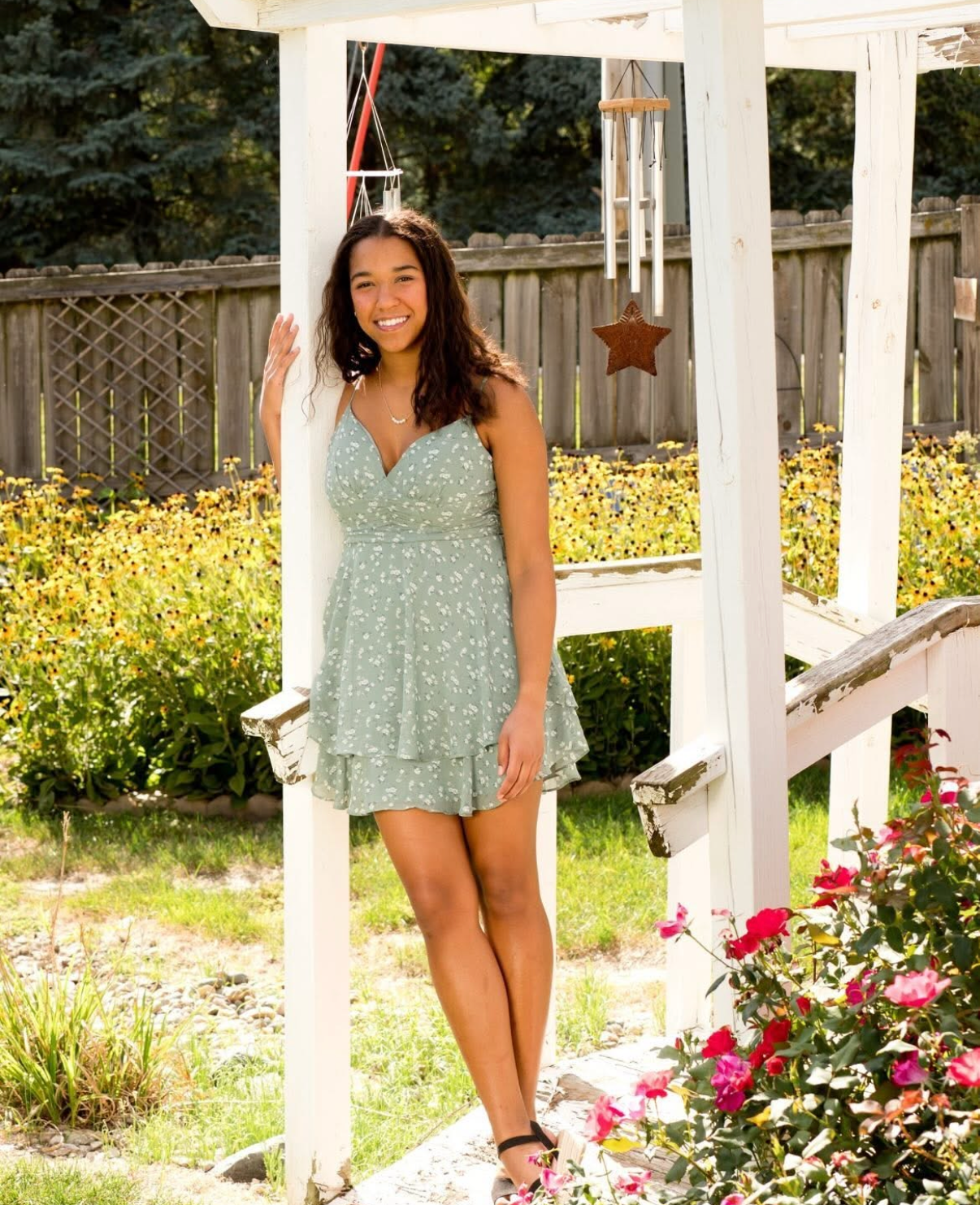

Samantha’s funeral was Wednesday. We woke up in a fog, methodically dressed in funeral attire, and dragged our feet to the car. I’m not sure how we made it to the church, but somehow the car found the way.

The service was beautiful, poignant, filled with memories of Sam, and focused on honoring her authentic faith in God. They tell me the place was filled with mourners. Bryon and I went through the motions and barely recall the details.

I couldn’t get out of the car when we got home. Bryon backed into the garage, parked, turned the engine off, and we just sat there, not saying a single word. Silence. A tear rolled down my cheek. Then another. I simply could not make myself move. Grief overwhelmed me in a way I had not let myself feel while I had to hold it all together these past few days. My shoulders shook with quiet sobs. My stomach clenched.


We were supposed to be at a Phil Wickham concert with Natalie and Samantha this evening. The short trip to Minneapolis and overnight stay had been planned for months. Those 4 concert seats sat empty that night. Samantha loved Phil’s music. Just a couple of weeks ago, she, Bryon, and I had been swapping songs on Spotify, our excitement for the event building. Instead, Phil’s songs played memorial to Sam at her funeral service. Tragic. More hot tears soundlessly stained my cheeks.

An image from the graveside service assaulted my memory. William, our 9 year old grandson, had drawn on the vault a picture of a smiling face, a waving hand, with the message “bye. William”. His somber expression, saying goodbye in the way he knows best made my heart twist.

Finally, I moved from the car only when I remembered that the flowers needed to be taken into the house. Movement was good. Emptying the car provided a respite, momentary feeling of purpose.


We went for a walk. Yes, movement is good, helps us feel not so stuck.

Then we stayed up too late…what are we supposed to do with tomorrow???

The next morning, we woke with eyes swollen from crying and gritty from dehydration. And somehow we made it through the day after the funeral.

Today marks two weeks since our lives were changed forever when our daughter died. This afternoon, we remember.


We love you, Sam.


Lamentations 3:22-23: "Because of the Lord’s great love we are not consumed, for his compassions never fail. They are new every morning; great is your faithfulness."

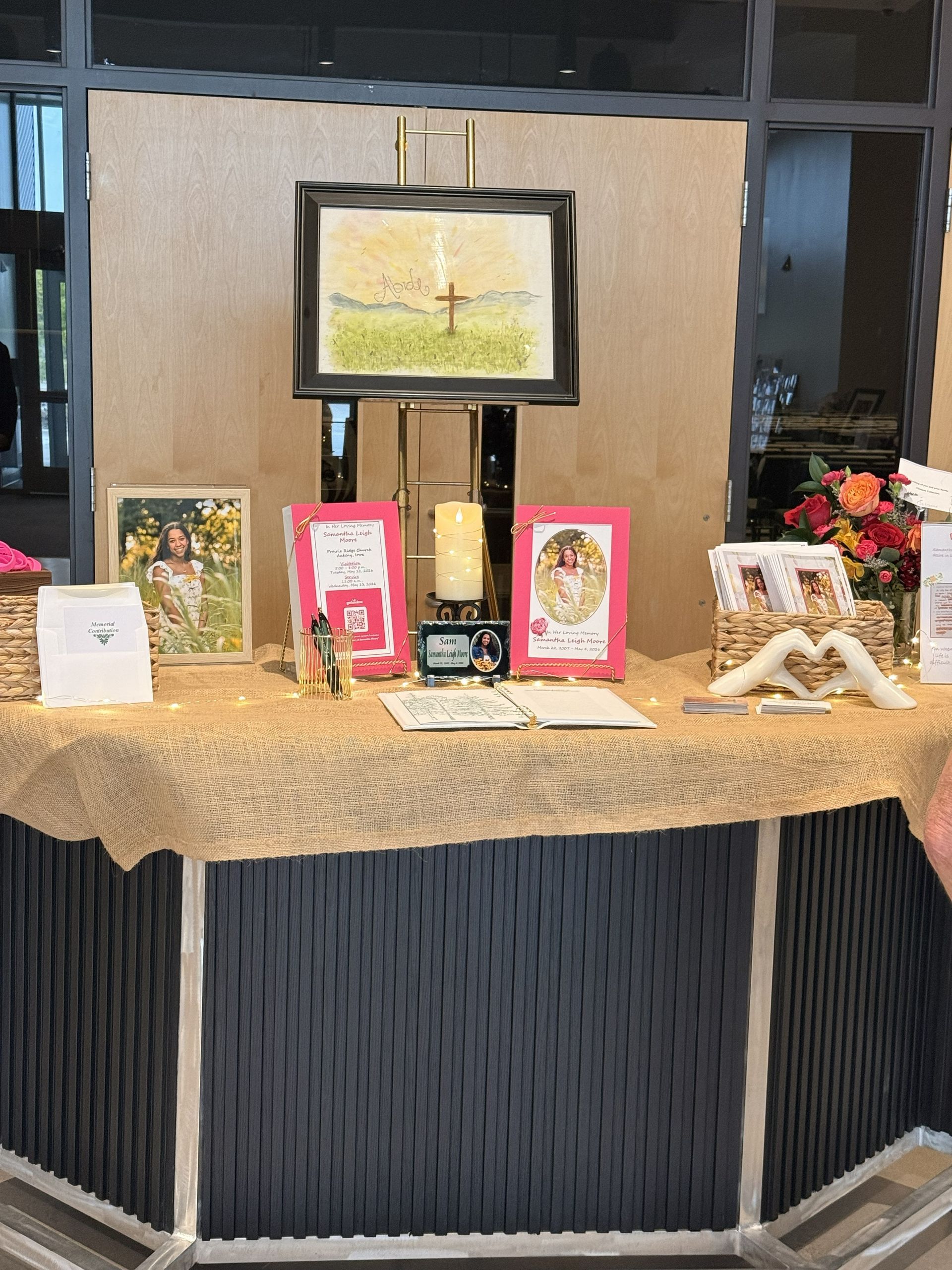
Memorial for girl
By Moore Family Counseling May 26, 2026
May 13, 2026 Last night was the visitation for Samantha. Walking into the church, I (Cheryl) felt faint. My head spun. I took a breath that caught in my throat. Then a part of myself seemed to detach and hover while another part stepped forward to manage the afternoon and evening with composure. My head hurt. I was obsessed with finding the right space for the “Abide” painting my friend made in remembrance of Samantha. It seemed the only small thing I might have some control over. The casket was closed. The body that the funeral home worked so hard to prepare simply did not hold Samantha anymore and it could not capture her vibrant spirit. The most honorable thing to do was to close the casket and focus on her candid pictures in the slideshow and the beautiful posed senior photo that adorned her casket. Casket… And Samantha… These two words should never go together. The line of people seemed to be never ending. The composed part of me stayed in charge as Bryon and I pasted on smiles and welcomed the condolences of the multitude that was there to support to us all. In return, we offered condolences to her family, her friends, her classmates, and the children that she worked with in the after school program. A little blonde girl approached us with a drawing that she made of her and Samantha, telling us the story of how Samantha was her teacher and taught her “waterfall breathing” to help her calm down when she was feeling upset. Her professor from DMACC approached with tears in his eyes and presented to Bryon the final paper that he had graded for Samantha, a red “A” noted on the front page along with the date of April 28, just a few days before she died. My feet hurt from standing in heels and an inner critical voice at the back of my head wondered why did I wear a coral jumpsuit? No one else was wearing something so bright. Imposter syndrome continued with thoughts of “I’m only the stepmom”. An ache in the pit of my belly. I looked at Bryon. His demeanor, so welcoming and receptive with an unfamiliar deep sadness in his eyes and his posture, my wonderful husband, such a loving, protective and warm father.  I heard him honoring Samantha’s mother, Maggie, to the mourners, recognizing her as having been the best mom possible to Sam … and meaning it. I looked across the room at Maggie, through the sea of people, and knew it was true. My heart ached for her. Finally, after the line had trickled, driving home, we wondered how we did it. We quietly ate burgers at home with family that our son and daughter-in-law grabbed at a drive thru, then acknowledged the need to go to bed. Exhausted, we slept with the help of medicine and a prayerful meditation. Now, it is funeral day. Psalm 29:11 The Lord will give strength to his people, the Lord his blesses people with peace.
Purple Flowers in a field
By In Loving Memory of Samantha Moore May 26, 2026
At Moore Life Counseling, we walk alongside others in their deepest valleys. Today, we are walking through our own. Two weeks ago, we lost our beautiful daughter, Samantha. This is what the fog of grief looks like for us right now... May 11, 2026 Thoughts on Grief At Moore Life Counseling we believe in the power of practicing what we preach. This weekend, the owners, Bryon and Cheryl, had to put our own clinical tools to the test while navigating a profound personal loss after our youngest, Bryon’s 19 year old daughter, died as a result of a car accident. We share this in hopes it helps anyone else currently walking through the 'quiet' after a storm. Yesterday the kids all went back to their respective homes. The grandkids left and the house was quiet for the first time in a week. Bryon and I looked at one another with the haunted, blank looks of having gone through the worst week imaginable. The temptation was to retire to the dark basement family room and binge watch mindless television. I asked, are we exhausted or depressed? Both, it turns out. We paused a moment and took a breath. As owners of a mental health counseling practice, we decided to practice what we preach. We felt the feelings and used the coping skill “opposite action” for depression—essentially making ourselves do the opposite of isolating and avoiding our pain to instead build some positive energy and emotion to increase resilience and manage emotions purposefully. We put air into the tires on our bikes, changed our clothes, filled our water bottles then took our bodies weakened from grief to the fresh air and sunshine. As the wind wizzed by while tires sang on the pavement, our muscles woke up, and our breath came a little easier. We came upon a grove of purple spring flowers and grief swelled again. Sam would’ve loved these flowers. I could almost hear her sing-songy voice ringing “they’re so pretty!” and imagine her picking a bouquet. She probably would have given a bunch to me and another to her Mom. She would have loved this beautiful spring day. Later, after a much needed shower, we decided to have lunch at Laughing Crab. We spent this time remembering how much she enjoyed cracking crab legs with us and devouring the succulent lobster, shrimp, potatoes, and corn, her face and hands a buttery mess, her contagious laugh, and guttural expressions of “yummy”. Yes, we cried. And we rejoiced that we have these memories of her. This week we enter into more times of remembrance with navigating visitation, funeral services, burial, and so much more that we don’t even know is to come yet. This one thing we know, “Whoever dwells in the shelter of the Most High will rest in the shadow of the Almighty. I will say of the Lord, “He is my refuge and my fortress, my God, in whom I trust.”” Psalms 91:1-2 NIV
November 8, 2025
At Moore Life Counseling, we believe that healing happens when the mind, body, and spirit are invited to work together. Ketamine-Assisted Psychotherapy (KAP) is a powerful and evidence-based approach that helps individuals access deeper layers of emotional healing, insight, and self-compassion. What is Ketamine-Assisted Psychotherapy? KAP combines the use of low-dose ketamine—a legally prescribed medication—with the support of a trained therapist in a safe and intentional setting. Ketamine works gently to quiet rigid thought patterns and defenses, allowing for expanded awareness and emotional openness. When paired with psychotherapy, this state of openness can help clients process old wounds, release patterns of depression or anxiety, and reconnect with meaning and vitality. What Does a KAP Session Look Like? A typical KAP session begins with preparation, where we discuss your goals, intentions, and what to expect during the experience. During the medicine session, you’ll take a prescribed dose of ketamine (often in lozenge or troche form) and are supported by your therapist as you move inward. Soft music, eye shades, and grounding techniques are often used to create a calm, therapeutic space. Afterward, we spend time in integration, helping you make sense of the insights and emotions that arose so you can apply them to daily life. Who Can Benefit from KAP? KAP may be a good fit for adults seeking healing from: Depression Anxiety PTSD or trauma Emotional numbing or disconnection Existential or spiritual distress It’s also valuable for those who feel “stuck” in traditional talk therapy and are ready to explore a new depth of healing. Safety and Support Each participant receives a medical evaluation before beginning KAP to ensure safety and proper dosing. Sessions are always facilitated by a licensed mental health professional with specialized KAP training, in a supportive and trauma-informed environment. The Power of Integration The real transformation happens in how you integrate what you experience. Insights that arise during the medicine session often point toward new perspectives, self-compassion, and clarity about what’s needed next in your healing journey. At Moore Life Counseling, we view KAP as a bridge — one that connects inner wisdom with lasting emotional change. Curious to learn more? Visit www.moorelifecc.com or contact Cheryl Moore, LMHC, Certified KAP Therapist, to explore whether Ketamine-Assisted Psychotherapy may be right for you.
September 5, 2025
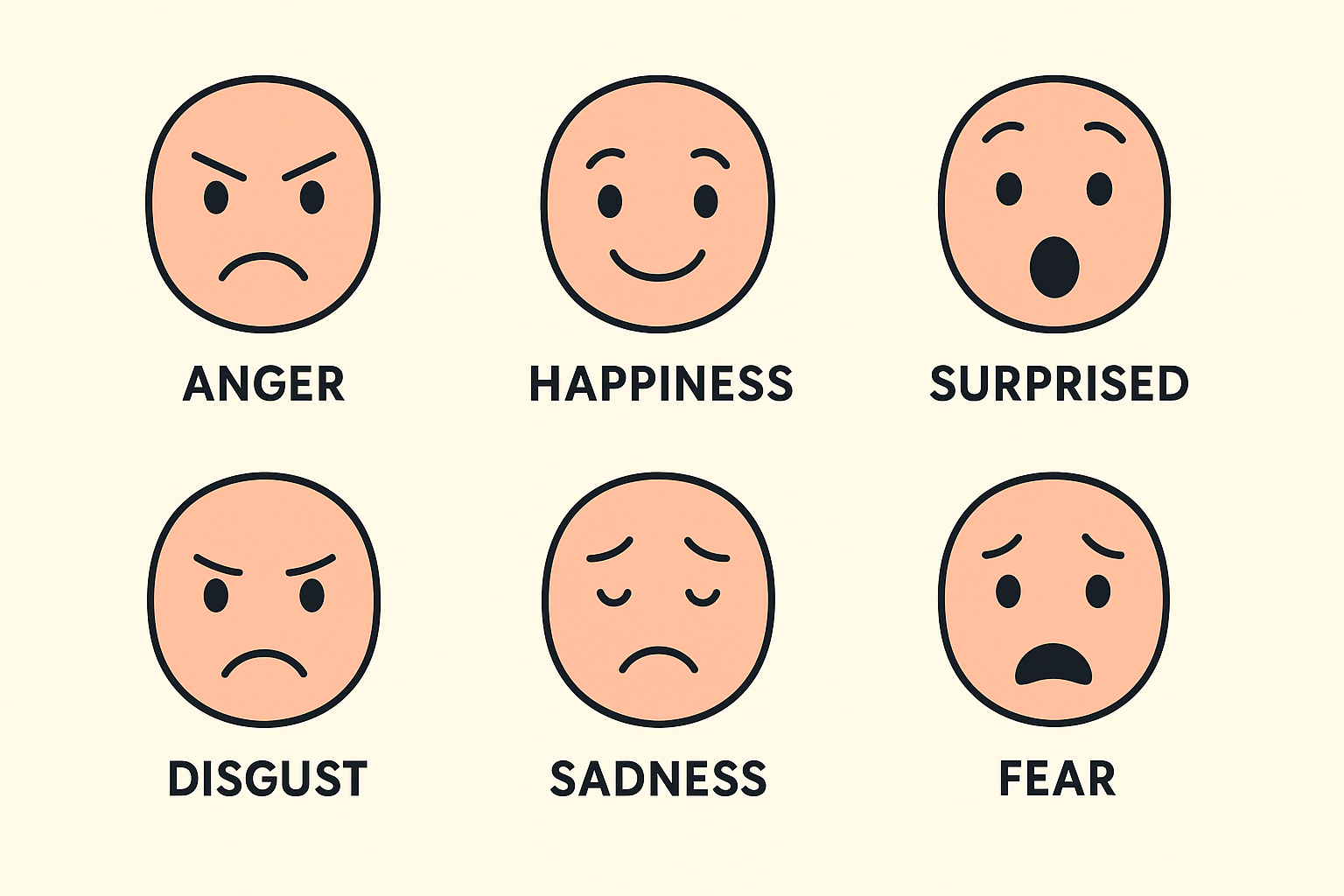
At Moore Life Counseling, our DBT Skills Training Group recently focused on one of the most important parts of building emotional resilience: understanding what emotions do for us. Many of us grow up hearing that some emotions are “good” while others are “bad.” In reality, emotions all serve a purpose. By learning to recognize their functions and how they impact our body, we can begin to regulate them in healthier ways. 🌿 What Do Emotions Do for Us? Emotions are not random—they play a powerful role in our daily lives. They: Motivate us to take action Help us communicate with others (verbally and nonverbally) Organize our body’s responses to situations We explored this idea by watching Marsha Linehan, the founder of DBT, discuss the function of emotions https://youtu.be/tR-O12A78hw 🎨 Expanding Our Emotional Vocabulary We used the emotion wheel to look at six basic emotions that all humans are born with: anger, happiness, surprise, disgust, sadness, and fear. By exploring the outer rings of the wheel, we practiced naming more nuanced feelings. This helps us understand our emotions with more accuracy—moving beyond just “I’m sad” or “I’m mad” into a fuller awareness of what’s happening inside. 🪟 The Window of Tolerance Another tool we explored was the Window of Tolerance (WOT) , which describes how emotions impact our nervous system and ability to cope. Optimal Arousal Zone – where we can think, process, and regulate emotions effectively. Hyperarousal – when emotions feel overwhelming (fight or flight). This may look like anxiety, panic, anger, or agitation. Helpful skills: deep breathing, slowing down, or a gentle walk. Hypoarousal – when emotions feel shut down (freeze or fawn). This may look like numbness, depression, or neglecting self-care. Helpful skills: a cold shower, brisk walk, or eating something crunchy or sour to wake up the body. 📺 Learn more: Video on the Window of Tolerance https://youtu.be/TNVlppGz0zM 📝 Blog post: Mind My Peelings – Window of Tolerance https://www.mindmypeelings.com/blog/window-of-tolerance?rq=window%20of%20tolerance ✨ Key Takeaway Emotions are natural, human, and purposeful. By understanding their role, naming them more precisely, and practicing skills to return to our Window of Tolerance, we can create balance and resilience in our emotional lives. At Moore Life Counseling, we’re committed to equipping our clients with tools like these to build healthier relationships with themselves and others. Until next time... Skillfully, Cheryl
August 29, 2025
The Foundation of DBT Skills
August 22, 2025
Learn what DBT is and how it helps with anxiety, depression, and relationships. Moore Life Counseling offers DBT skills groups in West Des Moines, IA.
August 15, 2025
Learn practical DBT skills to manage emotions, reduce stress, and improve relationships. Next group starts Aug 20 at Moore Life Counseling.
August 8, 2025
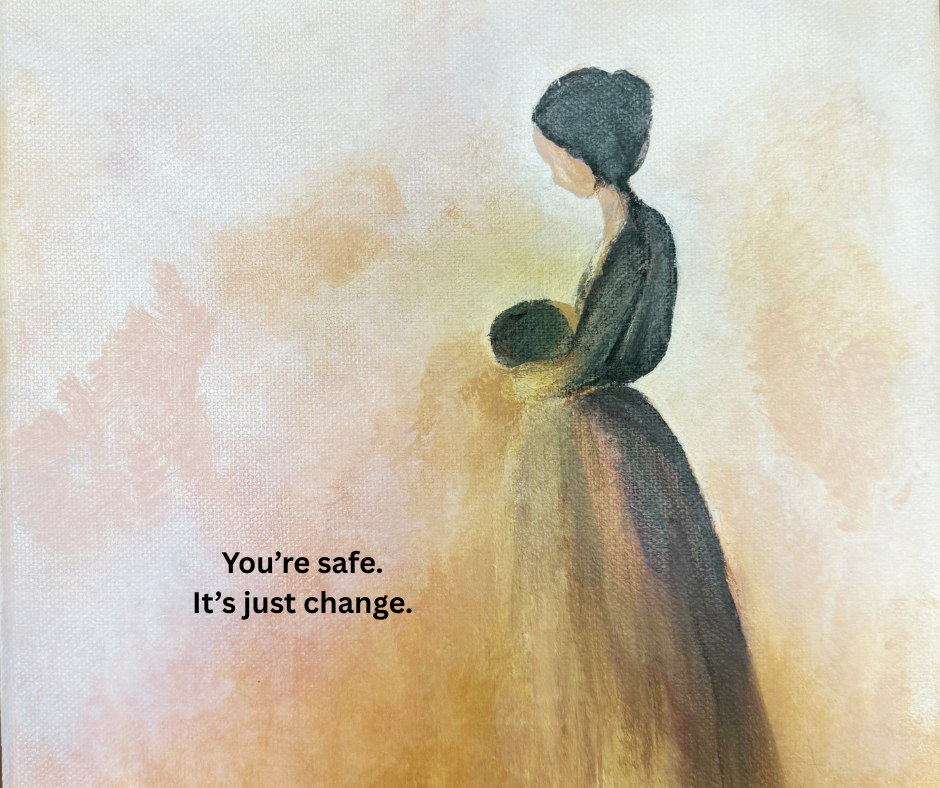
On Monday morning, with great anticipation and the thrill of recognizing hard work fulfilled, I opened the doors to my new therapy practice, Moore Life Counseling. It was a moment filled with pride and purpose, followed with familiar waves of anxiety. I was reminded how even joyful transitions can stir up echoes of the past, especially for those living with Complex PTSD (CPTSD). Unlike PTSD, which often stems from a single traumatic event, CPTSD typically develops from prolonged or repeated trauma, often in childhood. These experiences can deeply shape a person’s sense of safety, trust, and identity—making change, even positive change, feel destabilizing. Major life transitions can be uniquely challenging for those with CPTSD because they may trigger: Loss of control – Positive changes can still feel unsafe. Fear of the unknown – New situations can mirror early experiences of chaos. Attachment disruptions – Change might awaken fears of abandonment. Shifts in identity – Altered roles can unsettle a fragile sense of self. Body memories and emotional flooding – Triggers may arise without an obvious cause. If you find yourself reacting strongly to a big life change—moving, starting a new job, ending a relationship—it doesn’t mean you’re broken. It means your nervous system is working hard to protect you, even if its methods are outdated. Some supportive strategies include: Practicing grounding and self-compassion Creating predictable routines Naming fears and inner parts Processing triggers with trauma-informed therapies like EMDR or ART Leaning on safe, supportive relationships As I step into this new season, I’m reminded that healing doesn’t mean we never get shaken—it means we’ve learned how to find our footing again. My hope is that this space becomes a place where you can do just that. Recommended Resources: Complex PTSD: From Surviving to Thriving by Pete Walker The Body Keeps the Score by Bessel van der Kolk